Blog

Your blog category

Blog

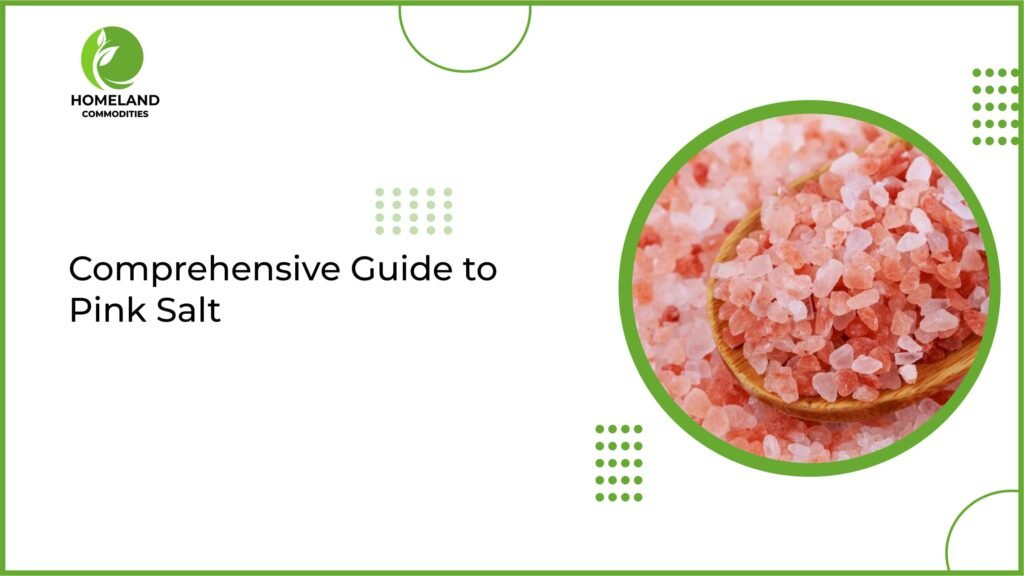
Comprehensive Guide to Pink Himalayan Salt

Comprehensive Guide to Pink Himalayan Salt Pink Himalayan salt has gained significant popularity in recent years due to its unique properties and health benefits. This guide will provide an in-depth look at where this salt comes from, its composition, benefits for skin and teeth, and how to use and maintain a Himalayan salt mortar and pestle. Where Does Pink Himalayan Salt Come From? Pink Himalayan salt is extracted from salt mines near the Himalayan foothills in Pakistan, particularly from the Khewra salt mine. This mine is one of the oldest and largest in the world, believed to have formed from ancient sea deposits over 250 million years ago. The salt beds were discovered by the army of Alexander the Great around 326 B.C., and have been mined since the 1200s by the Janjua people. What Is Pink Himalayan Salt? Pink Himalayan salt is a type of rock salt (halite) that is relatively unrefined compared to regular table salt. Its distinctive pink and orange hues come from trace minerals such as magnesium, calcium, and potassium. These minerals not only give the salt its color but also contribute to its nutritional and health benefits. Nutritional Composition Pink Himalayan salt is composed of approximately 98% sodium chloride, with the remaining 2% consisting of over 84 different trace minerals. These minerals are what differentiate it from regular table salt and contribute to its health benefits. Benefits of Pink Himalayan Salt For the Skin Pink Himalayan salt is a popular ingredient in luxury spa treatments due to its beneficial effects on the skin. It is known for its exfoliating properties, making it effective in smoothing and softening rough skin. It can also help hydrate and cleanse the skin, providing a natural glow. For Teeth Pink Himalayan salt is beneficial for oral health as well. Its rich mineral content supports healthy gums and teeth. Using Pink Himalayan Salt in Personal Care Skincare Products Products like Desert Essence’s Nourishing Pink Himalayan Salt and Sugar Body Scrub combine the exfoliating power of pink Himalayan salt with other natural ingredients to provide smooth and radiant skin. Himalayan Pink Salt also used for Personal Care. Oral Care Desert Essence’s Pink Himalayan Salt Carrageenan-Free Toothpaste leverages the mineral-rich composition of the salt to support oral health. Himalayan Salt Mortar and Pestle Characteristics A Himalayan salt mortar and pestle is a unique kitchen tool made from solid blocks of Himalayan salt. Its natural properties make it an excellent choice for grinding spices and herbs. Benefits Uses Care and Maintenance of a Himalayan Salt Mortar and Pestle Bottom line Pink Himalayan salt is more than just a culinary ingredient; it’s a versatile mineral with numerous benefits for health and personal care. From its origins in ancient seabeds to its modern uses in skincare and kitchen tools, this unique salt is a valuable addition to any household. By understanding its properties and applications, you can make the most of its natural benefits.
Rice
Blog

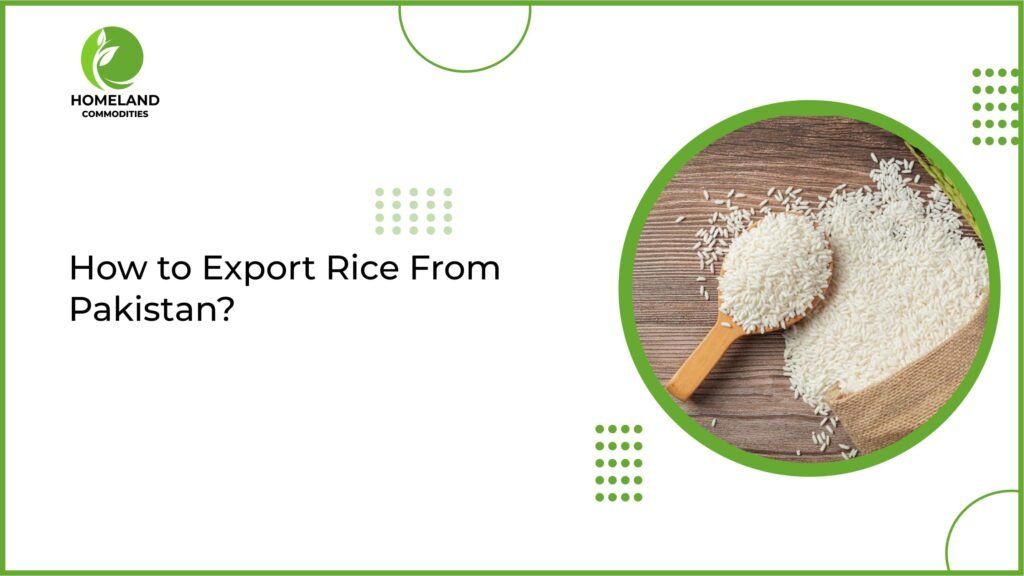
How to Export Rice from Pakistan?

Introduction In the realm of global trade, Pakistan stands tall as a significant player in the rice industry. This article, brought to you by Homeland Commodities, your trusted partner in Export Import Data, delves into the intricacies of rice export from Pakistan. Let’s navigate through the process step by step to illuminate the path for both aspiring exporters and seasoned traders. Rice Production in Pakistan Overview of Rice Production Pakistan ranks as the 10th largest rice producer globally, producing 8.4 million tonnes in 2022. Rice cultivation is a vital part of Pakistan’s agricultural economy, contributing significantly to export revenues. The country’s climate and fertile soil conditions make it ideal for growing high-quality rice varieties. Key Rice-Producing Regions The provinces of Punjab, Sindh, and Khyber Pakhtunkhwa are the primary rice-producing areas. Punjab, with its extensive irrigation systems, is the largest contributor, followed by Sindh and Khyber Pakhtunkhwa. Each region has unique climatic conditions that influence the type of rice produced. These regions also have dedicated agricultural research institutes that support rice production. Challenges and Opportunities in Rice Production Challenges such as water scarcity and climate change impact rice production. However, opportunities lie in adopting sustainable farming practices, enhancing yield through modern agricultural techniques, and leveraging government support for technological advancements in agriculture. Innovations in irrigation and crop management can significantly boost productivity. Export Import Data: The Key to Informed Decisions Importance of Data in Global Trade Accurate data is crucial for making informed decisions in international trade. It helps businesses understand market trends, pricing, and demand, enabling them to strategize effectively and capitalize on market opportunities. This data-driven approach can mitigate risks associated with volatile markets. How Homeland Commodities Can Help Homeland Commodities provides real-time, accurate export-import data, enabling businesses to navigate international trade confidently. Their data services support strategic planning, market analysis, and decision-making, helping businesses stay ahead in the competitive global market. This ensures that exporters can identify and seize emerging opportunities. Steps to Export Rice from Pakistan 1. Registration with TDAP Registering with the Trade Development Authority of Pakistan (TDAP) is essential. This registration provides exporters access to resources like trade information, export financing, and marketing assistance, facilitating smoother export operations. TDAP also offers training programs to enhance exporters’ capabilities. 2. Obtain an Export License Obtaining an export license from the Ministry of Commerce is mandatory. This license ensures compliance with legal requirements and facilitates smooth export operations by providing necessary legal protections and acknowledgments. The process includes verifying the exporter’s credentials and business history. 3. Certification by PSQCA Certification from the Pakistan Standards and Quality Control Authority (PSQCA) is vital. It assures that the rice meets international quality standards, enhancing its marketability and acceptance in global markets. This certification process includes rigorous testing and quality assurance protocols. 4. Finding Buyers Potential buyers can be found through trade shows, online marketplaces, and direct outreach. Building strong relationships with buyers through consistent communication and reliability is key to sustained success. Exporters can also leverage trade missions and government-facilitated networking events. 5. Negotiating and Shipping Negotiating a comprehensive contract covering all sale aspects is crucial. Collaborate with a reliable freight forwarder for seamless shipping and insurance services. This ensures that the rice reaches its destination in optimal condition, maintaining its quality and value. Clear terms on payment, delivery, and risk management are essential. Detailed Export Process Financial Aspects of Rice Export Risk Management in Rice Export Success Stories and Case Studies Successful Rice Exporters from Pakistan Several Pakistani rice exporters have successfully penetrated international markets. Case studies highlight best practices and strategies that led to their success, such as maintaining high-quality standards and building robust buyer relationships. Innovative marketing strategies and adaptability to market changes have also played key roles. Lessons Learned Analyzing these case studies reveals valuable lessons. Best practices include maintaining high-quality standards, investing in market research, and building strong relationships with buyers and suppliers to ensure sustained success in the international market. Continuous learning and adaptation to market demands are essential for growth. Conclusion Exporting rice from Pakistan involves navigating a complex landscape of regulations, market demands, and logistical challenges. By understanding the procedures, adhering to quality standards, and leveraging government incentives, businesses can successfully tap into the global rice market. With careful planning and execution, the prospects for growth and profitability in this sector are substantial. Engaging in continuous improvement and innovation will further enhance success.

Top Countries for Producing and Exporting Sesame
Blog

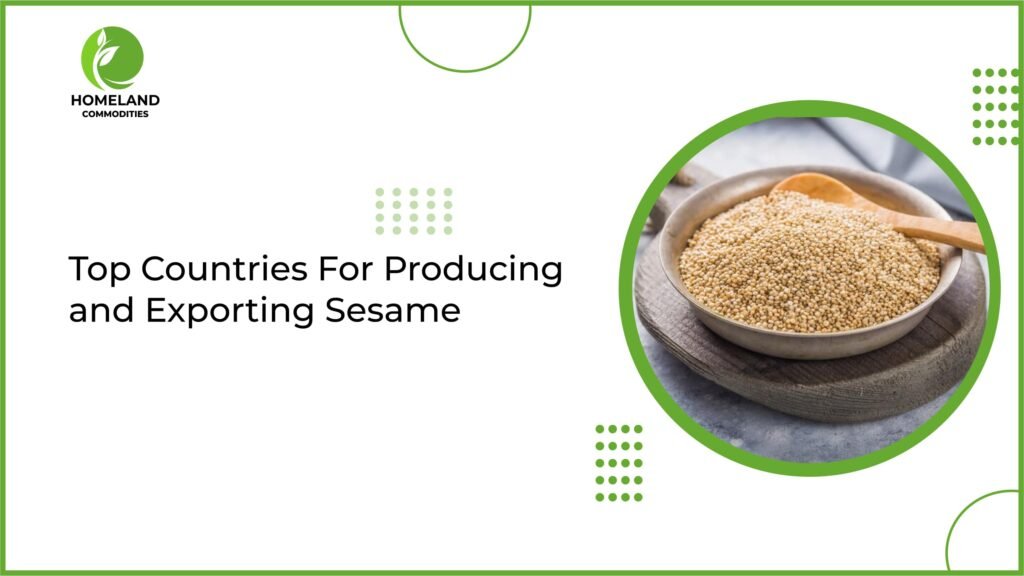
Top Countries for Producing and Exporting Sesame

Sesame (Sesamum indicum) is one of the oldest oilseed crops known to humanity. Its cultivation dates back thousands of years and spans various cultures. Sesame seeds are highly valued for their oil content, nutritional benefits, and culinary uses. The global sesame market has been growing steadily due to increasing demand for sesame oil and seeds, driven by their health benefits and diverse applications in food, cosmetics, and pharmaceuticals. Major Sesame Producing Countries 1. India 2. Sudan 3. Myanmar 4. Nigeria 5. Tanzania Major Sesame Exporting Countries 1. Sudan 2. India 3. Nigeria 4. Ethiopia 5. Myanmar 6. Tanzania Conclusion The article highlights the leading countries in sesame production and export, focusing on India, Sudan, Myanmar, Nigeria, and Tanzania. Each country has unique strengths and faces specific challenges, with strategic cultivation practices and government support playing crucial roles in their success. The future of sesame production and export is promising, driven by technological advancements, improved farming practices, and favorable trade policies. Continued investment in infrastructure and access to quality seeds will be essential to sustaining and enhancing production levels while increasing global demand presents opportunities for expanding market reach.

trade Sesame Seeds
Blog

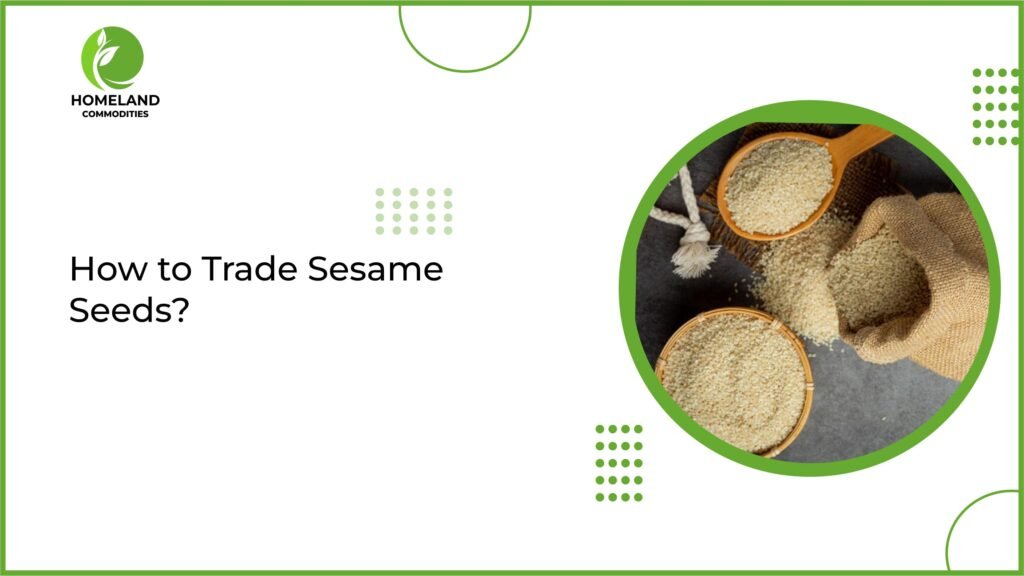
How to Trade Sesame Seeds?

Introduction Sesame seeds, among the oldest known oilseeds, have been cultivated for millennia. Famous for their rich, nutty taste, they play a significant role in various cuisines and products worldwide. Trading sesame seeds can be highly lucrative, given their wide range of uses in food, cosmetics, and pharmaceuticals. This article provides an in-depth guide on trading sesame seeds successfully and profitably. Understanding the Sesame Seed Market Global Demand and Supply The global sesame seed market is shaped by numerous factors, such as weather conditions, farming practices, and political influences. Key producers include India, Sudan, Myanmar, and Tanzania, while Japan, China, the United States, and several European nations are major importers. Types of Sesame Seeds Several varieties of sesame seeds exist, with the most prevalent being white, black, and brown. Each type has distinct characteristics and applications: Steps to Trade Sesame Seeds Conduct comprehensive market analysis to grasp the supply and demand dynamics, price trends, and key stakeholders in the sesame seed industry. Identify primary import and export markets and stay informed about changes in trade policies, tariffs, or regulations that may affect trade. Ensure sesame seeds meet the quality standards of your target market, considering factors such as seed purity, moisture content, oil content, and the absence of contaminants. Acquiring certifications like Organic, Non-GMO, or Fair Trade can enhance your product’s appeal.  Secure dependable sources of high-quality sesame seeds by collaborating with farmers, cooperatives, or suppliers in major production regions. Building strong relationships with suppliers ensures a consistent supply and favorable pricing. Formulate a competitive pricing strategy based on market analysis and cost evaluation. Consider production costs, transportation, tariffs, and competitor pricing. Use futures contracts to mitigate price volatility and safeguard profit margins. Efficient logistics and transportation are vital for successful sesame seed trading. Select reliable shipping and freight forwarding companies to guarantee timely and safe delivery. Ensure proper packaging to prevent damage during transit and maintain product quality.  Develop effective marketing strategies to reach potential customers. Leverage online platforms, trade shows, and industry conferences to network and showcase your products. Emphasize the unique selling points of your sesame seeds, such as quality, certifications, and competitive pricing.  Adhere to the legal and regulatory requirements of both exporting and importing countries. Prepare all necessary documentation, including contracts, invoices, certificates of origin, phytosanitary certificates, and any other required permits. Challenges in Trading Sesame Seeds  Sesame seed prices can be highly volatile due to fluctuations in supply and demand, weather conditions, and geopolitical factors. Traders must stay informed and be ready to adapt to changing market conditions. Maintaining consistent quality can be difficult, especially when sourcing from multiple suppliers. Implement rigorous quality control measures and conduct regular audits to uphold product standards. Navigating the complex regulatory landscapes of different countries can be challenging. Staying updated on evolving regulations and collaborating with experienced trade professionals can help overcome these obstacles. Use financial instruments like options and futures to hedge against price volatility, safeguarding profit margins. Adopt a flexible pricing strategy to swiftly adapt to market changes, ensuring competitiveness. Diversify your trading portfolio to reduce reliance on a single market and spread risk. Implement a robust quality management system to maintain high standards. Regularly audit suppliers, providing feedback and support to help them meet your quality expectations. Establish a structured feedback mechanism to address and resolve quality issues promptly. Continuously review the regulations of the countries you trade with to ensure compliance. Join industry associations and networks to stay informed about changes in trade policies and standards. Obtain necessary certifications to enhance marketability and demonstrate adherence to international standards. Conclusion Trading sesame seeds can be a profitable business with the right strategies and approach. By conducting thorough market analysis, ensuring high-quality standards, establishing reliable sourcing, and implementing effective marketing and sales strategies, traders can capitalize on the lucrative sesame seed market. Although challenges exist, careful planning and execution can unlock significant growth opportunities in the global marketplace.

Pink Salt for skin
Blog

Pink Salt Benefits for Skin

Introduction Himalayan pink salt is known for its many health benefits, used in cooking and therapy. Mined from ancient seabeds in the Himalayan mountains, this salt gets its pink color from its high mineral content, including iron, magnesium, calcium, and potassium. While it’s well-known for its dietary benefits, pink salt is also becoming popular in skincare. This article looks at the various skin benefits of pink salt, supported by scientific studies and practical tips. Mineral Composition and Skin Health Himalayan pink salt is packed with over 80 trace minerals, many of which are crucial for keeping your skin healthy. These minerals offer several benefits: Exfoliation and Cell Renewal Exfoliation is an essential part of any skincare routine because it removes dead skin cells and promotes new cell growth. Pink salt is a great natural exfoliant: Anti-Inflammatory and Antibacterial Properties Pink salt has natural anti-inflammatory and antibacterial properties that are particularly beneficial for skin conditions like eczema, psoriasis, and acne: Practical Applications of Pink Salt in Skincare You can easily incorporate pink salt into your skincare routine in various ways: Conclusion Himalayan pink salt is not just a kitchen staple; it’s a powerful, natural asset for skin care. Its abundance of minerals, along with its exfoliating, detoxifying, and anti-inflammatory qualities, makes it a valuable addition to any skincare routine. Whether incorporated into bath soaks, scrubs, or toners, pink salt can help you achieve glowing, healthy skin, demonstrating that the best remedies are often found in nature.

Sesame Seeds
Blog

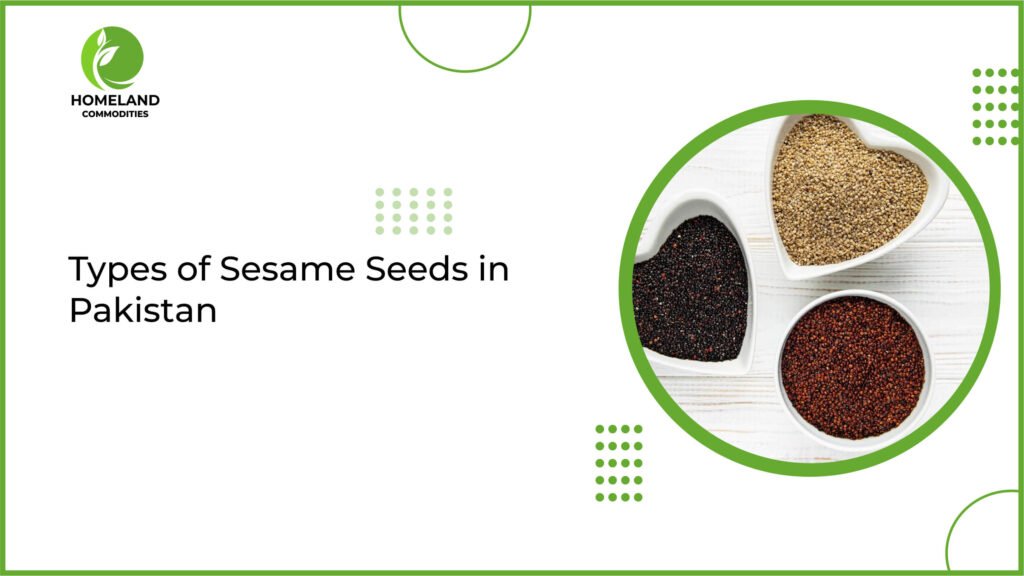
Types of Sesame Seeds in Pakistan

Introduction Sesame seeds, scientifically known as Sesamum indicum, have a long-standing history as an oilseed crop prized for their flavorful profile, high oil content, and nutritional value. In Pakistan, sesame seeds hold considerable importance in both agricultural practices and culinary traditions, boasting diverse varieties cultivated throughout the nation. This article offers a comprehensive examination of the types of sesame seeds cultivated in Pakistan, detailing their distinctive attributes, applications, and economic significance. Major Types of Sesame Seeds in Pakistan In Pakistan, sesame seeds are primarily categorized by their color into two main types: white sesame seeds and black sesame seeds. Each type possesses unique characteristics and finds various applications.But here we will also discuss brown and red sesame seeds. 1. White Sesame Seeds Characteristics: White sesame seeds, the predominant variety in Pakistan, are small, oval-shaped seeds with a creamy white color. They are prized for their mild, slightly sweet, and nutty flavor. Uses: White sesame seeds are versatile in culinary applications, used extensively in baking, cooking, and as a garnish in dishes like salads and sushi. They are also a key source of sesame oil, valued for its high smoke point and mild flavor, and utilized in traditional medicine and cosmetics for its moisturizing properties. Cultivation Areas: White sesame seeds thrive in the fertile soils and favorable climates of Sindh, Punjab, and Khyber Pakhtunkhwa provinces. 2. Black Sesame Seeds Characteristics: Black sesame seeds, less common but highly esteemed, are smaller and darker with a robust, earthy flavor and higher nutritional content compared to white sesame seeds. Uses: Black sesame seeds are popular in traditional medicine and health foods, and are utilized in various culinary dishes, particularly in Asian cuisine for desserts and savory dishes. Black sesame oil is prized for its rich flavor and potential health benefits. Cultivation Areas: Black sesame seeds are cultivated in specific regions of Sindh and Balochistan that provide optimal soil and climate conditions. 3. Brown Sesame Seeds Characteristics: Brown sesame seeds exhibit a color and flavor profile between white and black varieties, offering a slightly nuttier taste and medium size. Uses: These seeds are utilized similarly to white sesame seeds in cooking and for extracting sesame oil, finding applications in traditional recipes and snacks. Cultivation Areas: Brown sesame seeds are grown in regions similar to white and black sesame varieties, albeit less commonly on a commercial scale. 4. Red Sesame Seeds Characteristics: Red sesame seeds are less prevalent and feature a reddish color, similar in size and shape to white sesame seeds but with a distinctive, robust flavor. Uses: Typically used in specialty dishes and valued for their medicinal properties in traditional practices. Cultivation Areas: Cultivated in limited areas within Pakistan where specific soil and climate conditions favor their growth. Economic Importance Sesame seeds are a valuable cash crop in Pakistan, contributing significantly to the agricultural economy. The country exports substantial quantities of sesame seeds, particularly white and black varieties, to global markets such as China, Japan, and various Middle Eastern countries. The increasing global demand for sesame seeds and sesame oil presents lucrative opportunities for Pakistani farmers and exporters. Local Consumption: Sesame seeds are a staple in Pakistani cuisine, used widely in traditional dishes, sweets, and snacks. Sesame oil extracted from these seeds is also extensively used in cooking and traditional medicine. Export Market: Pakistan’s sesame seed exports serve as a major source of foreign exchange earnings. The country’s reputation for producing high-quality sesame seeds meeting international standards enhances its position in the global market. Challenges and Opportunities Challenges: Opportunities: Conclusion Sesame seeds are a cornerstone of agriculture in Pakistan, with white and black varieties being the primary types cultivated. These seeds offer diverse culinary and medicinal uses and contribute significantly to the economy through local consumption and exports. Despite challenges such as climate change and market volatility, the sesame seed industry in Pakistan holds promising opportunities for growth through enhanced agricultural practices and expanded market presence. With strategic investments and sustainable farming methods, Pakistan is poised to remain a leading producer and exporter of premium sesame seeds globally.

pink salt
Blog

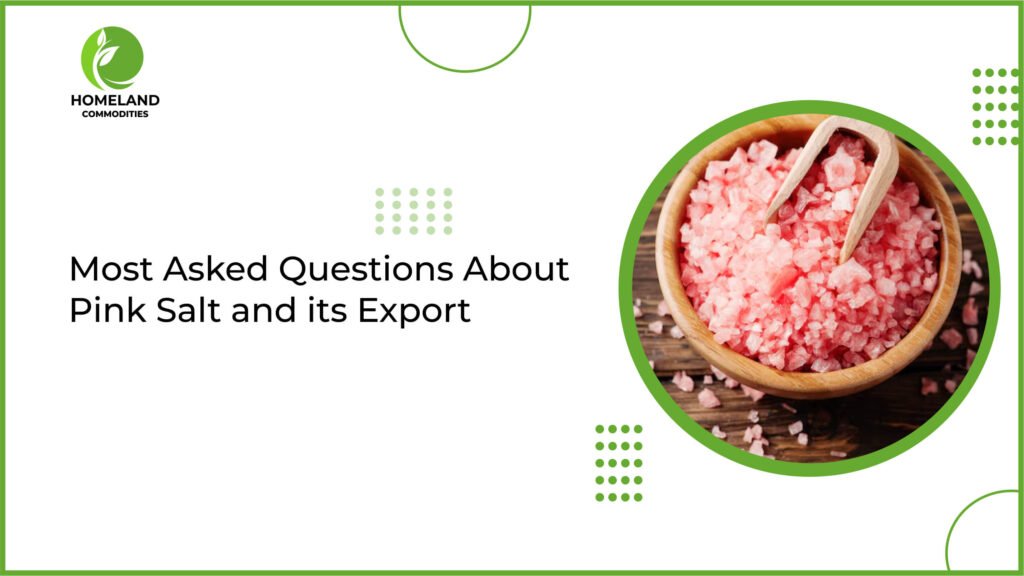
Most Asked Questions About Pink Salt and Its Export

Introduction Himalayan pink salt, commonly known as pink salt, has gained considerable popularity lately. Known for its striking color and perceived health benefits, this natural rock salt is now a favored ingredient in both culinary and wellness circles. With its rising popularity, there is an increasing interest in understanding its origins, characteristics, and the dynamics of its export market. This article aims to answer some of the most common questions about pink salt and its international trade. What is Pink Salt? Pink salt, a variety of rock salt, is predominantly extracted from the Khewra Salt Mine in Pakistan, situated near the Himalayas. Its unique pink color comes from trace minerals like magnesium, potassium, and calcium. Unlike table salt, which undergoes extensive processing and is often depleted of its natural minerals, pink salt is generally less refined, preserving its mineral content. What are the Benefits of Pink Salt? Pink salt is believed to offer numerous benefits beyond its mineral composition. Some of the frequently mentioned advantages include: Is Pink Salt Better Than Table Salt? The preference for pink salt over table salt is subjective and varies based on its use. Pink salt is often chosen for its mineral content and absence of additives. From a sodium chloride perspective, both salts serve the same function. However, pink salt is favored for its unique taste, texture, and aesthetic appeal. What is Himalayan Salt Used For? Himalayan salt serves multiple purposes: Is Pink Salt Good for Cooking? Yes, pink salt is excellent for cooking. It can be used in the same way as regular table salt and is prized for its distinct flavor and mineral content. Chefs and home cooks often prefer it for seasoning meats, vegetables, and other dishes. Does Himalayan Salt Expire? Himalayan salt does not expire. As a natural mineral, it remains stable over time if kept dry. Proper storage is essential to prevent contamination and maintain its quality. Does Himalayan Salt Go Bad? Under normal storage conditions, Himalayan salt does not go bad. It is inherently stable and does not support microbial growth, preventing spoilage. However, exposure to moisture can cause it to clump or dissolve. Does Himalayan Salt Contain Any Minerals? Yes, Himalayan salt contains various trace minerals that give it its distinctive pink color. These include magnesium, potassium, calcium, iron, and others, which may provide additional nutritional benefits. Does Himalayan Salt Contain Iodine? Himalayan salt contains only trace amounts of iodine, which is insufficient to meet dietary needs. If you rely on salt as your primary iodine source, ensure you get enough iodine from other foods or use iodized salt. Where is Pink Salt Mined? The main source of pink salt is the Khewra Salt Mine in Pakistan. This ancient and extensive mine has been in operation for over 2,000 years. Formed millions of years ago, the salt deposits here offer a vast and seemingly endless supply of this mineral. How is Pink Salt Exported? The export process for pink salt involves multiple steps to ensure quality and adherence to international trade regulations. Here’s an outline of the procedure: What Countries Import Pink Salt? Pink salt is exported globally, with significant markets including the United States, Canada, Australia, the United Kingdom, and several European countries. The rising demand for natural and organic products has significantly increased the popularity of pink salt in these regions. What are the Challenges in Exporting Pink Salt? Despite high demand, exporters of pink salt face several challenges: What Trends Are Shaping the Pink Salt Market? Several trends are currently influencing the pink salt market: Conclusion Pink salt continues to captivate consumers and chefs worldwide with its unique properties and perceived health benefits. As the market for natural and organic products grows, so does the demand for high-quality pink salt. Understanding the intricacies of its mining, processing, and export can help stakeholders navigate the opportunities and challenges in this thriving market. Whether you are a consumer intrigued by its benefits or a business looking to explore its potential, pink salt remains a fascinating and valuable mineral in the global marketplace.

Sesame seeds stats
Blog

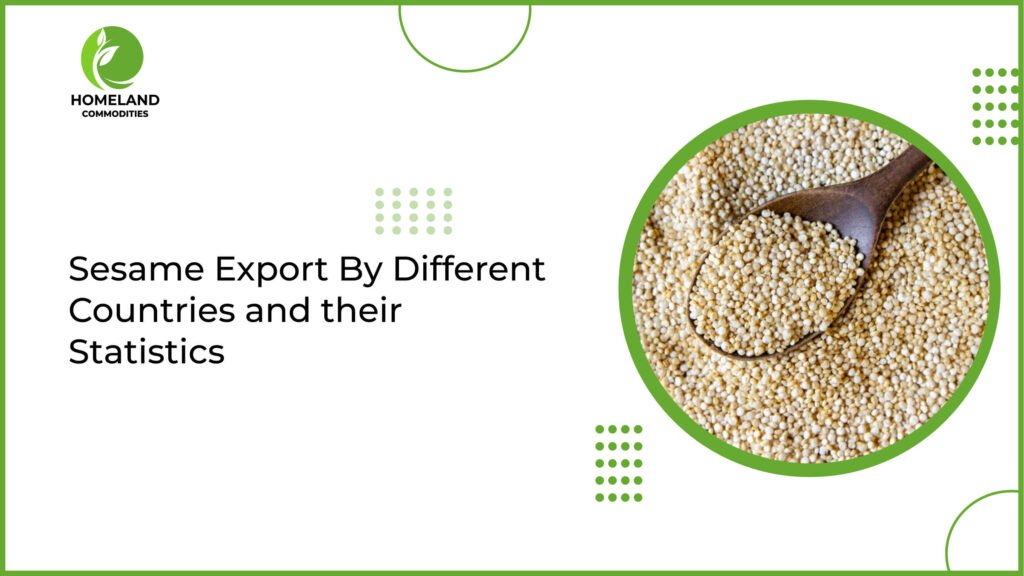
Sesame Export by Different Countries and Their Statistics

Introduction Sesame seeds are a significant agricultural product, valued for their oil content and nutritional benefits. They are a major export commodity for several countries, contributing to their economies. This article explores the leading sesame-exporting countries, their export statistics, and the factors influencing their trade. Leading Sesame Exporting Countries 1. Sudan Export Volume and Value Sudan is one of the world’s largest exporters of sesame seeds. In recent years, the country has exported approximately 300,000 to 350,000 metric tons of sesame annually. The value of these exports fluctuates with global market prices but typically ranges between $400 million to $450 million. Factors Influencing Export Sudan’s climate and soil conditions are highly suitable for sesame cultivation, enabling high yields. However, political instability and economic sanctions have occasionally impacted production and export capacity. 2. India Export Volume and Value India is another major player in the global sesame market, exporting around 275,000 to 300,000 metric tons annually. The export value is usually around $350 million to $400 million. Factors Influencing Export India benefits from a diverse agro-climatic zone, allowing for sesame cultivation across multiple regions. The country’s extensive network of smallholder farmers contributes to a steady supply. Government incentives and support for agricultural exports also play a crucial role. 3. Ethiopia Export Volume and Value Ethiopia is a significant exporter, with annual exports ranging from 250,000 to 300,000 metric tons. The export value is approximately $350 million to $400 million. Factors Influencing Export Ethiopia’s favorable climate for sesame production and the government’s focus on boosting agricultural exports have been instrumental. However, logistical challenges and periodic droughts can affect production levels. 4. Pakistan Export Volume and Value Pakistan has emerged as a notable exporter of sesame seeds, with annual exports averaging around 100,000 to 150,000 metric tons. The export value ranges from $150 million to $200 million. Factors Influencing Export Pakistan benefits from suitable agro-climatic conditions in regions like Sindh and Punjab, where sesame cultivation is well-established. Government support and initiatives to promote agricultural exports contribute to the country’s sesame trade growth. 5. Nigeria Export Volume and Value Nigeria exports about 150,000 to 200,000 metric tons of sesame seeds each year. The value of these exports is estimated to be between $200 million to $250 million. Factors Influencing Export Nigeria’s sesame export growth is driven by increasing cultivation areas and improving agricultural practices. However, issues such as infrastructure deficiencies and fluctuating global prices pose challenges. 6. Tanzania Export Volume and Value Tanzania exports approximately 100,000 to 150,000 metric tons of sesame annually, with an export value of $150 million to $200 million. Factors Influencing Export Tanzania’s government initiatives to support agriculture and improve export quality have boosted sesame exports. However, challenges include inconsistent weather patterns and market access issues. Global Market Trends Price Fluctuations The global sesame seed market is subject to price fluctuations influenced by factors such as crop yields, demand in key markets (particularly China and Japan), and currency exchange rates. In recent years, prices have ranged from $1,200 to $1,800 per metric ton. Demand Drivers Rising awareness of the health benefits of sesame seeds and sesame oil has increased demand worldwide. Additionally, the growing popularity of ethnic cuisines in Western countries has spurred sesame seed imports. Trade Policies Trade policies and agreements between exporting and importing countries significantly impact sesame trade. Tariffs, import restrictions, and quality standards are critical factors that exporters must navigate. Challenges and Opportunities Challenges Opportunities Conclusion In conclusion, sesame seed exports play a crucial role in the economies of numerous countries, contributing substantial revenue and employment opportunities. Despite existing challenges, targeted investments in infrastructure, technology, and market expansion hold the potential to bolster global sesame trade. Monitoring market dynamics closely and adapting to evolving trends will be essential for sustaining and expanding export volumes in the future.

Blog

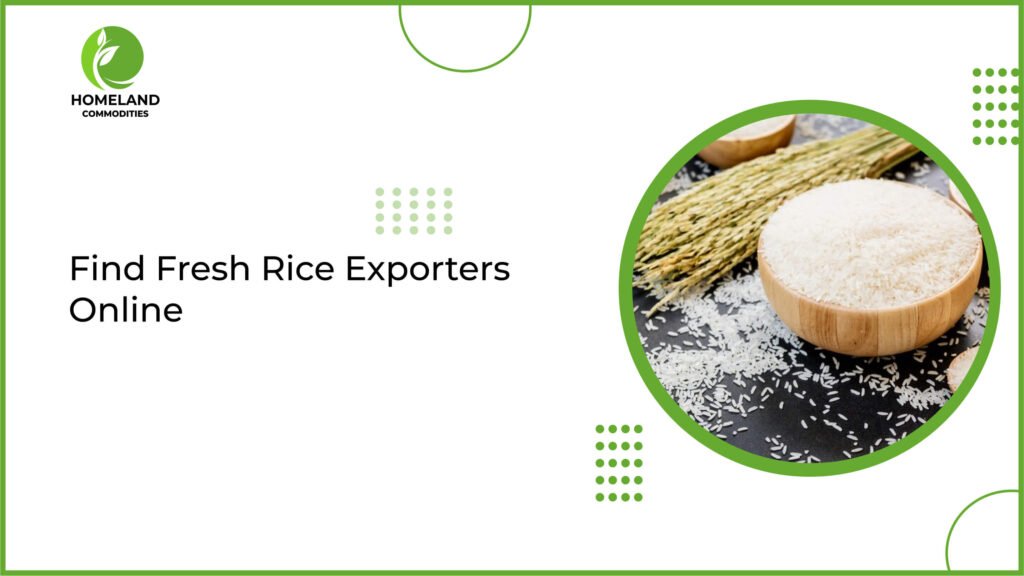
Find Fresh Rice Exporters Online: A Comprehensive Guide

Introduction Rice is a primary food source for more than half of the global population. For retailers, wholesalers, and restaurant owners, obtaining high-quality rice is crucial to satisfy customer needs. In today’s digital era, sourcing fresh rice exporters online has become more straightforward and efficient. This guide will provide you with the steps to find and choose the top rice exporters available online. Understanding the Importance of Fresh Rice Nutritional Benefits Fresh rice maintains its complete nutritional profile, including vital vitamins, minerals, and fiber. Offering fresh rice ensures that your customers receive a healthier product. Taste and Texture The Taste and Texture of rice can greatly influence the dining experience. Fresh rice provides a better taste and texture, essential for dishes where the quality of rice is paramount. The Rise of Online Rice Exporters Global Connectivity The internet has eliminated the barriers between buyers and sellers worldwide. Online platforms facilitate connections with rice exporters from numerous countries, offering a diverse range of options. Convenience and Efficiency  Procuring rice online streamlines the process, saving time and effort. You can compare products, read reviews, and make purchases from the comfort of your office, enhancing both convenience and efficiency. Types of rice Rice comes in a variety of types, each possessing distinct characteristics and culinary applications. Understanding the specific variety of rice you require can streamline your search and help you identify specialized exporters. Here are some common types. Key Factors to Consider When Selecting Rice Exporters Quality Assurance Ensuring high-quality standards is crucial when selecting a rice exporter. It’s important to verify that the exporters implement rigorous quality control procedures. Look for the following certifications that confirm the rice’s quality and safety: These certifications serve as evidence that the exporter complies with international quality and safety standards, providing assurance of the rice’s excellence. Price and Payment Terms Evaluating prices from various exporters is crucial to secure the best possible rates. Equally important is a clear understanding of the payment terms, which can encompass: Thoroughly understanding and negotiating advantageous payment terms can help protect your financial interests and ensure a successful transaction. Where to Locate Fresh Rice Exporters Online B2B Marketplaces Business-to-Business (B2B) marketplaces are ideal platforms for sourcing rice exporters. Notable marketplaces include: These B2B platforms offer in-depth profiles of exporters, complete with product listings, certifications, and customer reviews, facilitating informed decision-making and secure transactions. Evaluating Potential Exporters Request for Quotations (RFQs) The initial step in evaluating potential exporters involves sending out RFQs to the shortlisted candidates. Your RFQ should include detailed specifications of the rice you need, such as: When reviewing responses, consider: Virtual Meetings and Inspections Conduct virtual meetings with potential exporters to gain deeper insights into their operations. During these meetings: Customer Reviews and Testimonials Gathering feedback from other customers is a crucial step in evaluating exporters. Look for: Positive reviews and testimonials reflect an exporter’s reliability, product quality, and customer service. Finalizing the Deal Negotiating Contracts When negotiating the contract, ensure all terms are clearly defined and agreed upon. Key aspects to include are: Thoroughly negotiated contracts minimize the risk of disputes and ensure both parties understand their obligations. Secure Payment Methods To protect your transaction, use secure payment methods: Secure payment methods help mitigate financial risks and ensure trust between parties. Monitoring Shipment Once the deal is finalized, maintain close oversight of the shipment. Reliable exporters will: Proactive monitoring helps ensure the timely and safe arrival of your rice shipment, maintaining the supply chain’s integrity and your operational schedule. Also Read: global-demand-for-pakistani-rice Conclusion Sourcing fresh rice exporters online necessitates meticulous research and due diligence. Utilizing B2B marketplaces, export directories, government trade websites, and trade associations enables you to identify reputable exporters. To make well-informed decisions, it is crucial to evaluate their quality assurance practices, compare pricing structures, and secure reliable payment methods. By adopting a strategic approach, you can successfully procure high-quality rice that meets your business requirements.

Sesame Seeds
Blog

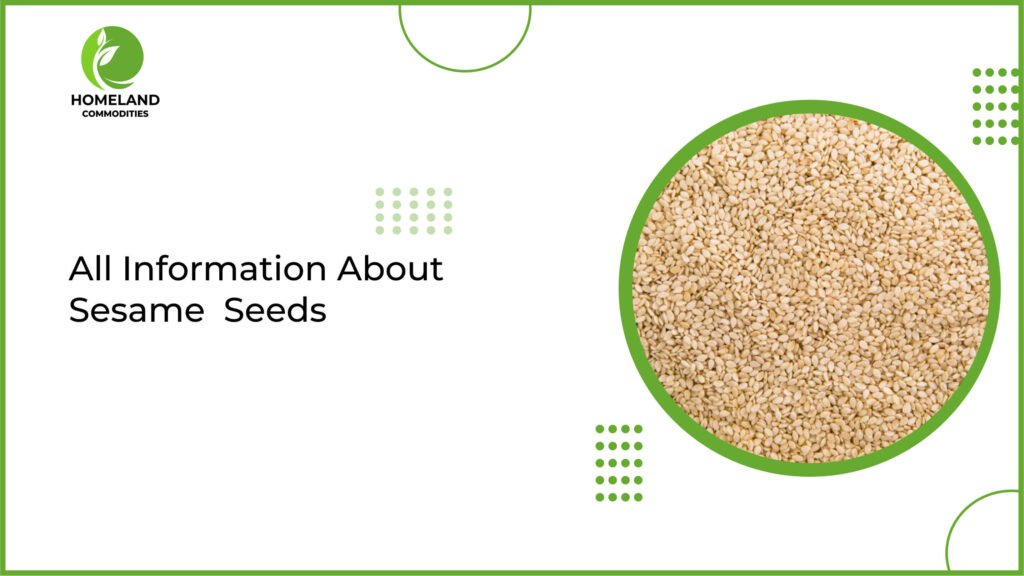
All Information About Sesame Seeds

Introduction Sesame seeds, obtained from the Sesamum indicum plant, are one of humanity’s earliest cultivated seeds, with a history spanning over 3,000 years. These small seeds, abundant in oil and known for their rich, nutty taste and health advantages, have been highly valued in diverse cultures. Originating in Africa and India, sesame seeds rapidly disseminated throughout Asia, the Middle East, and beyond, owing to their adaptability in cuisine, medicinal attributes, and oil production. Types of Sesame Seed The types of sesame seed are  White sesame seed The most common type, white sesame seeds are distinguished by their smooth, creamy hue. They boast a gentle, subtly sweet taste compared to other types, rendering them adaptable for a wide array of culinary applications, whether in desserts or savory recipes. White sesame seeds are commonly employed in baking, as a garnish for breads and pastries, or as an embellishment in salads and stir-fried dishes. Black Sesame Seeds Black sesame seeds are smaller and boast a richer, nuttier taste compared to their white counterparts. They are prevalent in Asian cuisine, especially in desserts and sweets. Beyond their culinary uses, black sesame seeds are esteemed in traditional medicine for potential health benefits, such as enhancing hair and skin health. Brown Sesame Seeds Brown sesame seeds offer a middle ground in flavor intensity and nutritional content between white and black varieties. Although less common, they are still utilized in various culinary applications, particularly in bread-making and as garnishes. Nutritional Profile Macronutrients Sesame seeds are nutritionally dense and packed with essential macronutrients: Micronutrients Health Benefits Heart Health The combination of healthy fats, fiber, and antioxidants in sesame seeds supports cardiovascular health by: Bone Health Rich in calcium, magnesium, and phosphorus, sesame seeds help maintain strong bones and prevent osteoporosis, contributing to improved bone density and skeletal health. Digestive Health The fiber content in sesame seeds promotes digestive health by: Skin and Hair Benefits Sesame seeds and oil are valued for their nourishing properties: Anti-inflammatory Properties Compounds like sesamin and sesamol in sesame seeds exhibit anti-inflammatory properties, potentially reducing inflammation and benefiting conditions like arthritis and inflammatory bowel diseases. Culinary Uses In Cooking Sesame seeds are versatile, adding a nutty flavor and texture to various dishes: In Baking Used to enhance the flavor and texture of baked goods: As Garnish Toasted sesame seeds are commonly used as a garnish in various cuisines: Sesame Oil Sesame oil, extracted from sesame seeds, is widely used in cooking and cosmetics: Tahini Tahini, a paste made from ground sesame seeds, is a staple in Middle Eastern cuisine: Growing and Harvesting Cultivation Sesame plants thrive in warm climates with well-drained soil: Sesame seeds are harvested when the seed pods mature and turn brown: Harvesting Processing Post-harvest, sesame seeds undergo several processing steps: Storage and Shelf Life Proper Storage Techniques To maintain freshness and prevent rancidity, sesame seeds should be stored properly: Shelf Life of Different Forms Potential Allergies and Side Effects Common Allergies Some individuals may be allergic to sesame seeds, experiencing symptoms ranging from mild skin reactions to severe anaphylaxis: Possible Side Effects Consuming sesame seeds in moderation is generally safe, but excessive intake may lead to: Conclusion Sesame seeds are more than just a flavorful addition to dishes; they are a nutritional powerhouse with numerous health benefits. From promoting heart and bone health to nourishing skin and hair, sesame seeds offer a range of culinary and medicinal uses. Whether sprinkled on salads, incorporated into baked goods, or used in sesame oil, these seeds are a versatile and valuable addition to any diet.

Homeland Commodities
A subsidiary of Homeland Import & Export (SMC) Pvt Limited Leading supplier of Himalayan Salt Products, Rice, Sesame Seeds, and more. Serving over 80 countries worldwide.

Copyright © 2024 Developed By TorontoDigits

Scroll to Top