Blog

Your blog category

Pink Salt
Blog

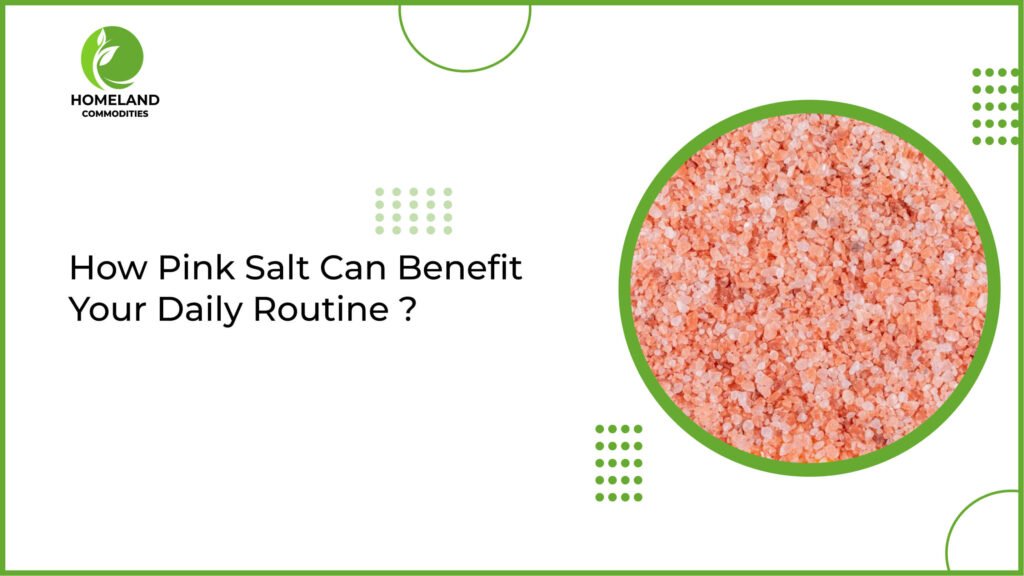
How Pink Salt Can Benefit Your Daily Routine?

Pink salt, also referred to as Himalayan salt, has become more popular in recent years due to its claimed health and lifestyle advantages. It is sourced from ancient salt deposits in the Himalayan area and has a unique pink color. Many believe incorporating this salt into your daily life can bring various benefits, from cooking to wellness activities. Let’s explore how using pink salt could potentially improve your everyday routine. 1. Massage Therapy Pink salt is used in massage therapy through salt scrubs and heated salt stone massages. Salt scrubs, mixed with oils, exfoliate the skin, improve circulation, and promote smoothness. Heated salt stones relax muscles and joints, while minerals like magnesium and potassium are absorbed for detoxification. These methods offer natural, holistic benefits, enhancing relaxation and rejuvenation in massage treatments. 2. Electrolyte Balance Including pink salt in moderation can help restore electrolyte levels through sweating during physical exertion or exposure to high temperatures. This supports hydration and reduces the risk of muscle cramps, which is particularly beneficial for individuals undertaking vigorous workouts or enduring hot climates. 3. Digestive Support Some proponents suggest that including pink salt into your diet may stimulate hydrochloric acid production in the stomach, which could aid digestion and support gastrointestinal health. This integration might alleviate digestive discomfort and enhance the absorption of nutrients, potentially offering benefits for overall well-being. 4. Respiratory Wellness People have used salt therapy for centuries. It involves inhaling tiny salt particles. The therapy eases respiratory conditions such as asthma, allergies, and sinusitis. Many believe that pink salt inhalers and salt therapy rooms reduce inflammation. Pink salt clears mucus and improves breathing. 5. Skin Nourishment Bathing with pink salt is reputed to have hydrating effects on the skin, calming irritation, and purifying the body by extracting toxins. Its mineral-rich nature is said to potentially alleviate symptoms of skin conditions such as eczema and psoriasis. Furthermore, indulging in a pink salt bath is often associated with enhanced relaxation and a reduction in stress, contributing to an overall sense of well-being and rejuvenation. 6. Alkalizing Properties Pink salt, despite its classification as a salt, is believed to possess alkalizing properties, which aid in balancing the body’s pH levels and decreasing acidity. This balance is essential for overall health and supports the proper functioning of bodily processes. By adding pink salt into your diet, you may potentially contribute to maintaining this crucial pH balance, promoting overall wellness. 7. Culinary Enhancement Pink salt presents itself as a healthier alternative to regular table salt in cooking and seasoning dishes. Its mild flavor and visually appealing pink hue have made it a favored choice for enhancing the taste and presentation of various culinary creations. By incorporating pink salt into your recipes, you not only add a distinct flavor but also potentially benefit from its trace mineral content. This culinary switch can contribute to a more wholesome dining experience without compromising on taste or aesthetic appeal. 8. Decorative and Culinary Presentation Pink salt is unique in color and texture. It often decorates plated dishes, especially in gourmet settings and at events. Its striking look adds sophistication to food presentations. It enhances the dining experience. It also lines the rim of a cocktail glass. Pink salt makes dishes and drinks look better. This focus on detail shows the importance of presentation in cooking. Even tiny accents can leave a big impression on diners. 9. Natural Cleaning Solution The rough texture of pink salt makes it a potent natural cleanser. It is good for scrubbing cookware, utensils, and surfaces. It is also antimicrobial. This makes it a valuable ingredient in DIY cleaning solutions. Pink salt’s power lets households embrace chemical-free cleaning. It fosters sustainable toilet habits and green waste management. This salt is versatile. It helps remove stubborn stains. It also promotes healthier living by reducing the need for harsh chemicals. 10. Aesthetic Ambiance Pink salt lamps have become popular. This is because people say they enhance air quality by emitting negative ions. These ions are said to reduce indoor air pollution and create a calm atmosphere. This is why they are widely used in home decoration and wellness. These lamps are appealing because they can beautify living spaces. They can also improve air quality and ambiance. As a result, they are a favored choice for people who want to create healthier, more inviting homes. Stories and traditions support many of these benefits. But, science is ongoing to understand the advantages of pink salt. As with any diet change, ask a healthcare professional before adding pink salt to your daily routine. This is especially important if you have health conditions or concerns. Conclusion In conclusion, pink salt offers many potential benefits. They are for health, wellness, and daily life. You can use it in cooking, bathing, or cleaning. This natural mineral resource offers a flexible and holistic way to improve well-being. Pink salt has great power. It can help you in many ways. It can aid your health and lifestyle goals.
Rice
Blog

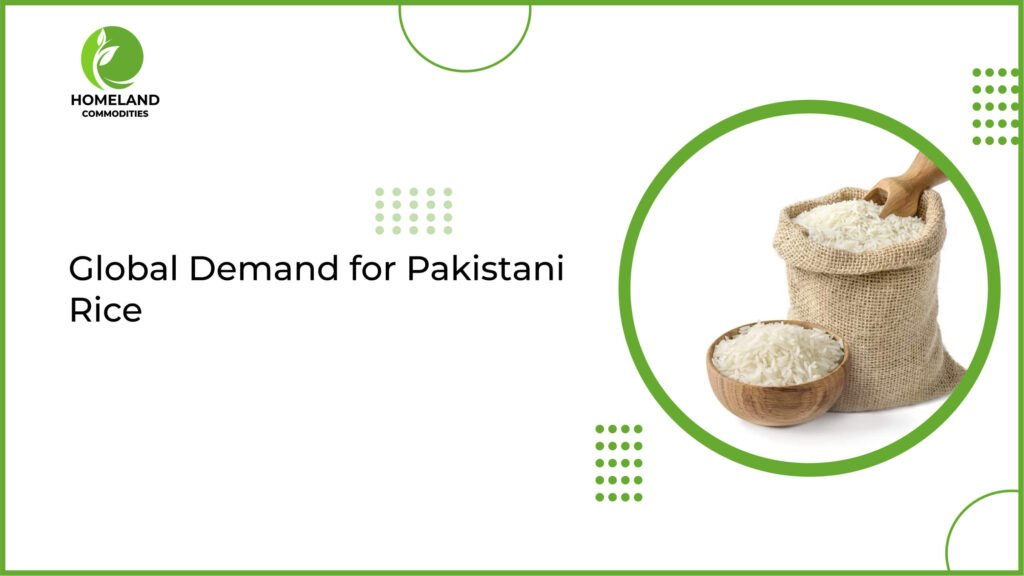
Global Demand for Pakistani Rice

Introduction Rice is a key food for over half of the world’s people. Pakistan is a major part of the global rice market. People value Pakistani rice. It is especially basmati for its unique smell, long grains, and high quality. This article examines the global demand for Pakistani rice. It analyzes production levels, exports, strengths, and industry challenges. Historical Context Evolution of Rice Cultivation in Pakistan Rice cultivation in Pakistan has a centuries-old tradition. It is rooted in its favorable geography. This is especially the nutrient-rich plains of the Indus Valley. This region has lots of water and good soil. These create ideal conditions for growing high-quality rice. Over time, farming practices have changed alongside technology. This has helped Pakistan meet its own demand and stay competitive in global rice markets. Growth in Export Capacity Since gaining independence, Pakistan has made many advancements in improving its agricultural output. The government made strategic investments in irrigation systems, research, and innovation. These investments boosted crop yields and made it better at exporting agricultural products. These efforts raised productivity. They also strengthened Pakistan’s position. Now, it is a key player in the global agricultural market. Additionally, farmers have adopted modern practices. These align with sustainable development goals. The goals aim to ensure long-term viability and resilience. This is in the face of changing global challenges. Production of Pakistani Rice Key Varieties Production Regions Export Trends of Pakistani Rice Global Reach Pakistani rice is global. It exports to over 100 countries. This shows its wide popularity and demand in world markets. Major Export Markets Export Statistics of Pakistani Rice Annual Volume and Revenue Pakistan exports about 4 million tons of rice each year. This brings in about $2 billion. This high export volume shows the country makes a lot of rice. It shows the country’s big role in the global rice market and its economic impact. Market Share in Basmati Rice Pakistan is prominent in the global basmati rice market. It competes closely with India. Both countries have a reputation for producing premium-quality basmati rice. It’s long grains and nice smell make it prized. Global Impact and Market Presence Pakistan exports rice to diverse markets worldwide. It caters to varied preferences and culinary traditions across continents. The country can keep high quality and be competitive. This helps its reputation as a reliable supplier in international trade. Competitive Advantages Challenges in the Global Market Competition India, Vietnam, and Thailand are key competitors in the international rice market. India is a big challenge in the basmati segment. This is due to its high production capacity and strong market presence. Quality Control Issues Maintaining consistent quality and adhering to international standards is a continual challenge. Pesticide residues and poor handling can hurt exports. Trade Barriers Tariffs, import restrictions, and other non-tariff barriers are in various countries. They can impede the growth of Pakistani rice exports. Overcoming these barriers requires strategic trade negotiations and strict compliance with global standards. Government Initiatives and Support Export Incentives The Pakistani government offers incentives to boost rice exports. These include subsidies, tax exemptions, and export financing. The measures aim to make Pakistani rice more competitive. They aim to do so on the global stage. Quality Improvement Programs The government has launched programs to improve rice quality. They focus on better seed, advanced farming, and improved post-harvest methods. Trade Agreements We are trying to secure trade deals. These deals will cut trade barriers and open new markets for Pakistani rice. These agreements aim to get good terms for rice exports. They also aim to improve market access. Future Prospects Expanding Market Reach Initiatives are underway to explore and enter new markets in Latin America and Eastern Europe, where the demand for high-quality rice is on the rise. Technological Advancements Implementing modern agricultural technologies and techniques can significantly improve rice production and quality. Innovations in irrigation, pest management, and crop management can boost yields and competitiveness. Sustainable Farming Practices Promoting sustainable farming practices will not only enhance yield and quality but also meet the growing global demand for environmentally friendly products. Sustainable practices can improve Pakistan’s reputation as a producer of high-quality, eco-friendly rice. Conclusion The demand for Pakistani rice continues to be strong worldwide, thanks to its superior quality and competitive prices. Although the industry faces obstacles like intense competition and quality control challenges, strategic efforts and government support are driving steady growth in rice exports. By capitalizing on its strengths and tackling these challenges, Pakistan can enhance its standing in the global rice market, ensuring ongoing success and expansion.

Approach for Rice
Blog

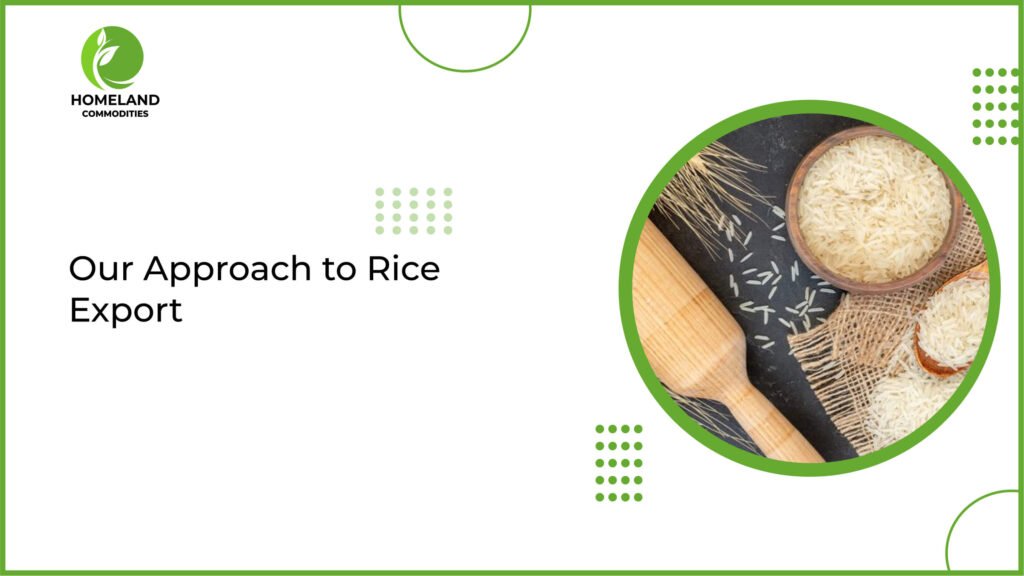
Our Approach to Rice Export

Introduction Rice serves as a fundamental dietary staple for more than half of the world’s population, highlighting its indispensable role as a key agricultural resource. As one of the primary producers of rice globally, our approach to exporting this essential crop is important not only for supporting our national economy but also for enhancing global food security. Our strategic framework is centered on ensuring high standards of quality, promoting sustainable agricultural methods, expanding into diverse international markets, and fostering continuous technological advancements. Quality Assurance Ensuring top-tier quality is central to our rice export strategy. We implement rigid quality control measures throughout the entire production cycle, spanning from seed selection and cultivation to harvesting, processing, and packaging. This meticulous approach guarantees that our rice consistently meets stringent international standards and fulfills the expectations of consumers worldwide. Seed Selection and Cultivation: We meticulously choose high-quality, certified seeds that demonstrate robust resistance to pests and diseases. Employing advanced agricultural practices and efficient irrigation techniques ensures optimal crop health and productivity. Harvesting and Processing: Utilizing state-of-the-art machinery and advanced post-harvest technologies minimizes losses and preserves the integrity of our rice. Our careful approach to drying, milling, and storage facilities safeguards against contamination and maintains product freshness. Certification and Compliance: Every batch of our rice undergoes comprehensive testing and evaluation to achieve certifications such as ISO (International Organization for Standardization), HACCP (Hazard Analysis Critical Control Point), and organic labels. These certifications validate our adherence to stringent international safety and quality regulations, ensuring peace of mind for our consumers and partners alike. Sustainable Practices Sustainability is a core principle of our rice export strategy. We understand the critical need for environmentally friendly practices to protect natural resources and ensure the long-term viability of our rice industry. Water Management: We utilize efficient water management techniques such as drip irrigation and alternate wetting and drying (AWD) to significantly reduce water wastage. Soil Health: To maintain soil fertility and minimize environmental impact, we practice crop rotation, use organic fertilizers, and limit the application of chemical pesticides. Energy Efficiency: By employing solar-powered machinery and energy-efficient processing plants, we effectively reduce our carbon footprint and promote environmental sustainability. Market Diversification To reduce risks and promote market stability, we implement a diversified market strategy. This strategy involves broadening our reach across various regions and catering to multiple market segments. Target Markets: We focus on both traditional markets with established demand and emerging markets with significant growth potential. Key regions include Asia, the Middle East, Europe, and Africa. Product Range: Our product portfolio encompasses a wide variety of rice types, including white rice, brown rice, basmati, jasmine, and specialty rice varieties, catering to diverse consumer preferences. Value-Added Products: We also develop value-added products such as rice bran oil, rice flour, and ready-to-cook rice meals. This allows us to tap into niche markets and enhance our revenue streams. Technological Innovation Innovation is key to maintaining our competitive advantage in the global rice market. We invest significantly in research and development to boost productivity, enhance quality, and lower costs. Precision Agriculture: Utilizing drones, satellite imagery, and IoT devices for real-time monitoring of crop health and soil conditions enables us to improve yields and reduce input costs. Genetic Research: Through genetic research, we develop high-yield, stress-resistant rice varieties, ensuring stable production even under challenging conditions. Smart Supply Chain: By implementing blockchain technology in our supply chain, we enhance transparency, traceability, and trust with our international buyers. Partnerships and Collaborations Strategic partnerships and collaborations are vital to our rice export strategy. We actively engage with a diverse range of stakeholders, including farmers, research institutions, government agencies, and international trade organizations. Farmer Support Programs: We offer training and support programs to farmers, educating them on best practices and modern techniques to enhance productivity and quality. Research Collaborations: Our joint research initiatives with universities and agricultural research centers drive innovation and promote sustainable practices. Trade Agreements: Bilateral and multilateral trade agreements help us access new markets and gain competitive advantages through reduced tariffs and trade barriers. Conclusion Our approach to rice export strategy is comprehensive, focusing on quality, sustainability, market diversification, and innovation. By upholding stringent standards and incorporating advanced technologies, we strive to meet the increasing global demand for rice while ensuring the long-term sustainability of our industry. Through ongoing improvement and strategic partnerships, we are dedicated to delivering premium rice products to consumers worldwide.

Homeland Commodities
A subsidiary of Homeland Import & Export (SMC) Pvt Limited Leading supplier of Himalayan Salt Products, Rice, Sesame Seeds, and more. Serving over 80 countries worldwide.

Copyright © 2024 Developed By TorontoDigits

Scroll to Top